The great artists, a guided tour through six centuries of art
From a Florentine workshop to a silver studio in New York, twelve artists and the movements that link them, with an honest look at how fame in art is made.
Try “Vermeer”, “etching”, “hanging height” or “provenance”.


PR106 Vermilion
The great artists, their lives and the works that changed how we see.
Six centuries, twelve artists, one long conversation. From Leonardo’s notebooks to Warhol’s silkscreens, these portraits tell how the most famous artists worked, what they changed and where their key works hang today, so the next museum visit becomes a meeting rather than a checklist.
From a Florentine workshop to a silver studio in New York, twelve artists and the movements that link them, with an honest look at how fame in art is made.
Painter, engineer, anatomist and serial non-finisher: how a notary’s son from Vinci left only a handful of paintings and still became one of the most famous artists in history.
Sculptor first, painter by obligation, architect in old age: Michelangelo worked for more than seventy years and left works in Florence and Rome that millions still queue to see.
A miller’s son from Leiden who conquered Amsterdam, lost nearly everything and kept painting his own face with unflinching honesty, from confident youth to old age.
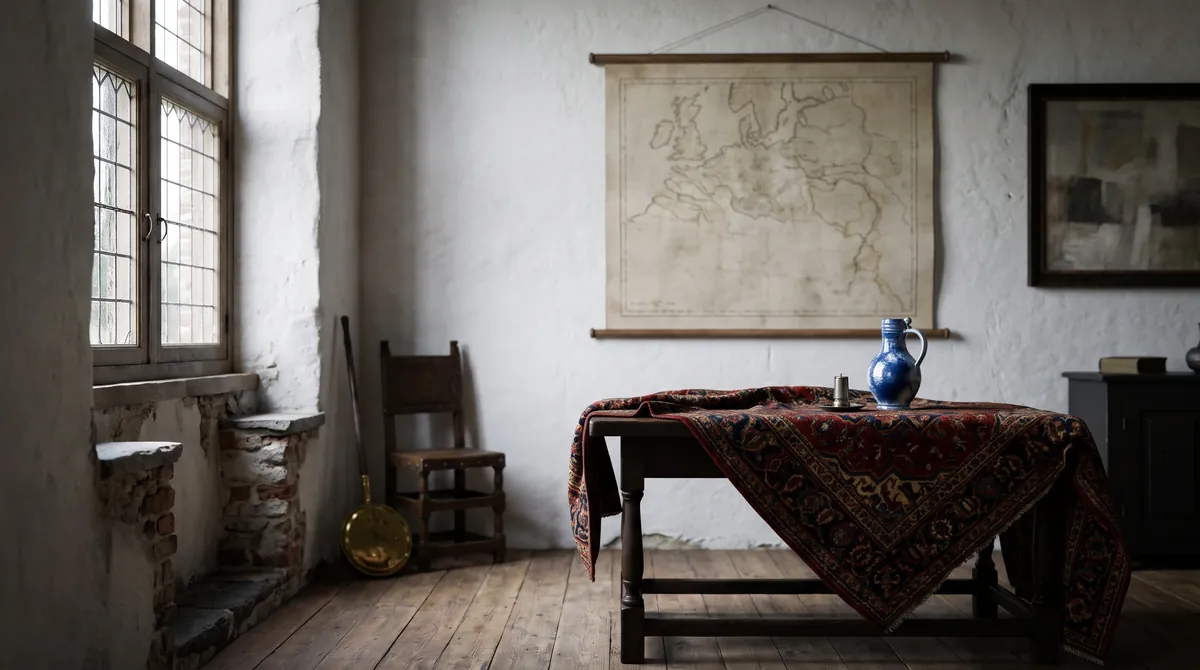
Barely three dozen paintings, most of them small, almost all set in a few quiet rooms. How Vermeer turned window light, ultramarine and patience into some of the most loved pictures in art.
He changed his name dozens of times and designed one of the most reproduced images in the world in his seventies. A portrait of Hokusai and the woodblock prints that crossed the globe.
From caricatures in Le Havre to the great Water Lilies in Paris: how Claude Monet spent more than sixty years chasing light, and gave a whole movement its name almost by accident.
In barely ten years Vincent van Gogh went from late beginner to one of the most loved painters in history. His letters, and his sister-in-law, explain how.
Gold leaf, flat ornament and frank portraits made Gustav Klimt the defining painter of Vienna around 1900. Here is how he got there and where to see the work.
Blue, rose, Cubist, classical, political, playful: Pablo Picasso reinvented himself again and again over a working life of more than seventy years.
Frida Kahlo turned her own life, her body and her Mexican heritage into some of the most recognisable paintings of the twentieth century.
Behind the upturned moustache and the publicity stunts stood a meticulous craftsman. Salvador Dalí’s art begins and ends on the rocky coast of Catalonia.
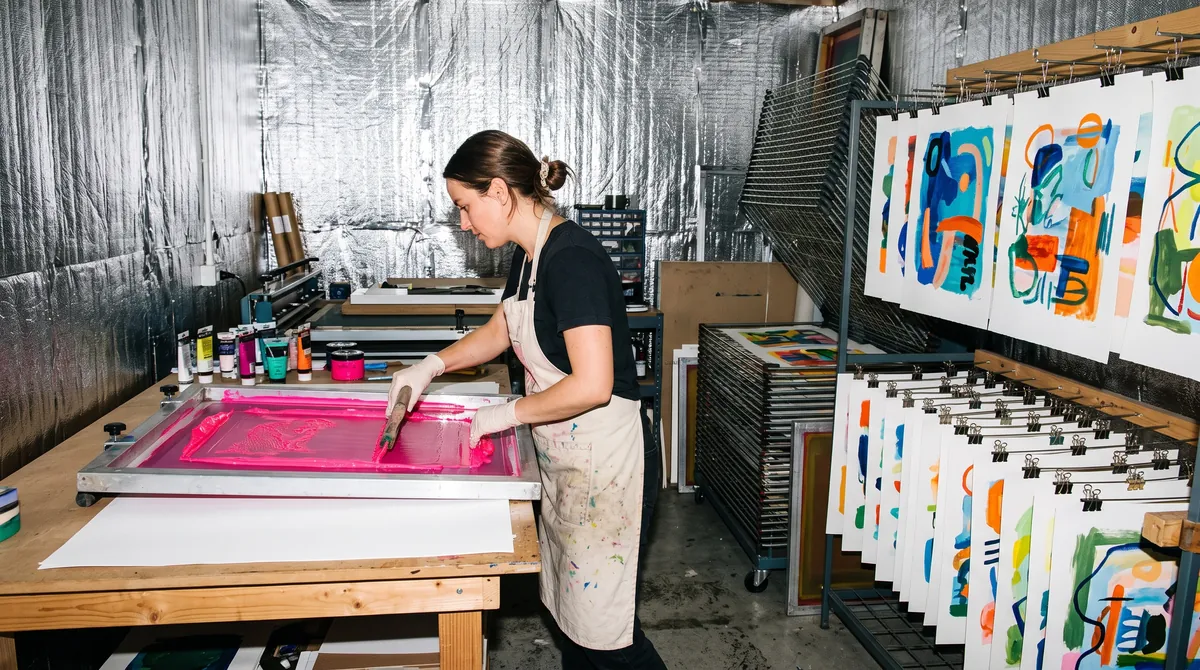
Andy Warhol took soup cans, film stars and newspaper photographs and made them into art. His questions about fame, repetition and brands have never gone away.
On one axis
Select an artist
Tap or click a bar
Try the tool
Twelve great artists and the movements around them on one interactive axis.
More rooms